Premium deer feed built on fat-first blends.
Refuse to compromise. Blended for hunters who demand more. Grip deer feed pairs roasted, high-fat ingredients with protein, minerals, and digestibility, so more of every bag becomes deer instead of passing through.
What makes a serious deer feed
A serious deer feed answers four questions. Where does the energy come from? Where does the protein come from? Are the minerals there to use it? And can the deer's rumen actually digest the whole package?
Most bagged feed answers one question and stops. Straight corn answers the energy question. A pure protein pellet answers the protein question. A whitetail's year asks all four at once, and the answer has to hold from the post-rut crash in January through velvet in July.
Why corn alone isn't a complete program.
Corn is real energy and a proven draw. It is also low in protein, thin on minerals, and easy to overfeed. A corn pile attracts deer; it does not build them. Corn belongs in the program as the energy base under a blend, not as the program itself.
The blend is the point.
Corn brings energy. Protein, fat, minerals, and digestibility turn that energy into a real deer nutrition program. The blend is the point. The full argument is in corn vs premium feed for deer.
Fat first. Roasted. Whole grain.
Fat carries about 2.25× the energy density of protein or carbohydrates, which is why high-fat deer feed can deliver more usable energy in every bite. Roasting matters too: heat treatment shifts more of the protein past the rumen, so more of what the tag promises is absorbed rather than broken down early.
Relative scale, not exact figures. The more of a bag a deer's gut can actually turn into energy and growth, the more of every bite works — where a compressed protein pellet loses much of its bulk to fiber the rumen can't use, a roasted whole-grain mix is built to be digested.
What's inside Grip deer feed
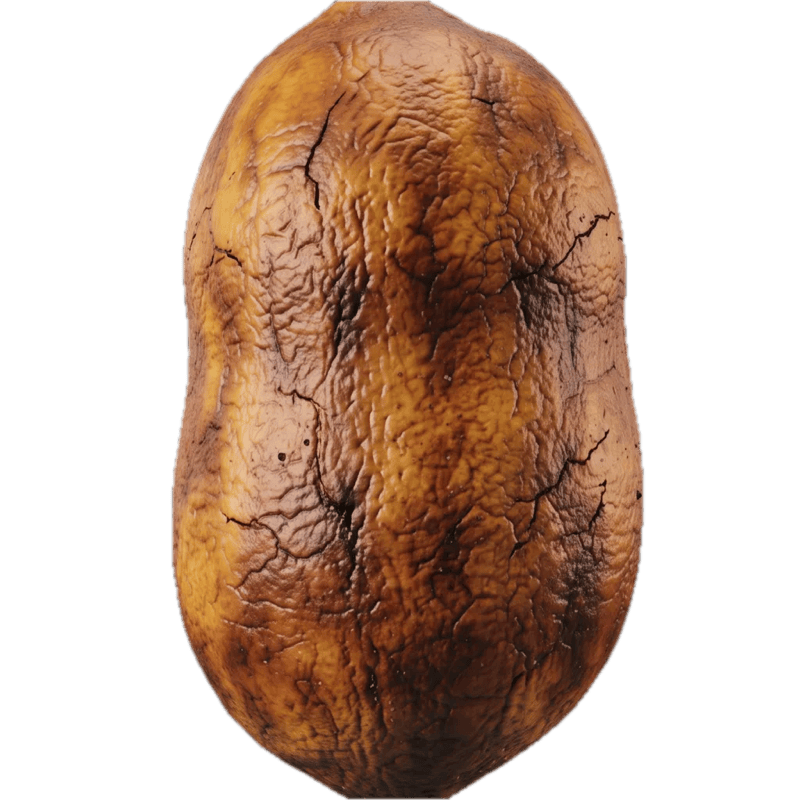
Roasted peanuts
The fat deer can't leave alone. Dense energy that finishes velvet and carries a herd through the rut.
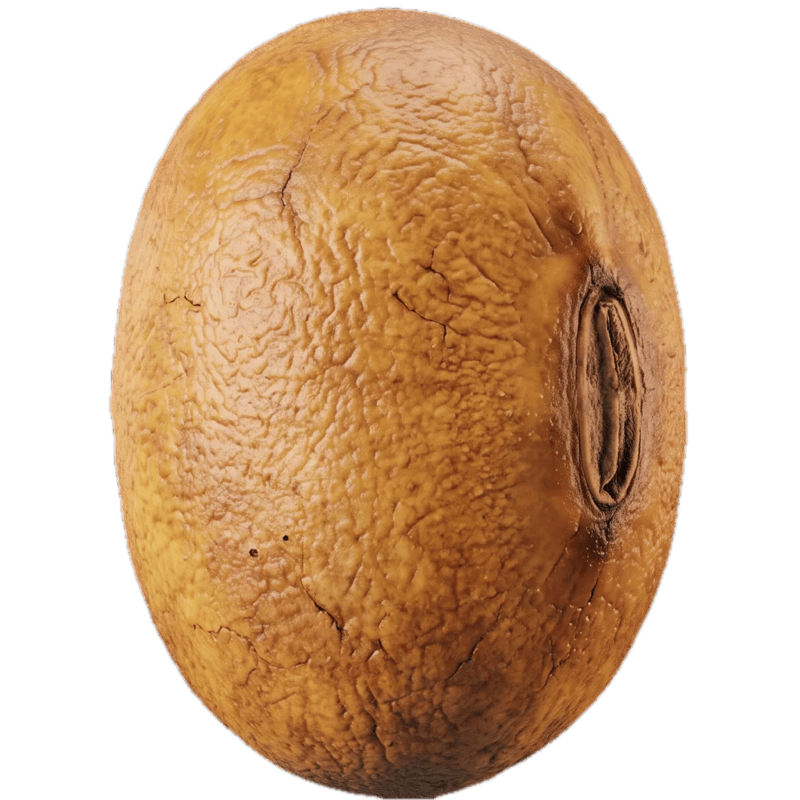
Roasted soybeans
The protein engine. Roasting cracks the bean open, so more of it gets digested instead of passed.
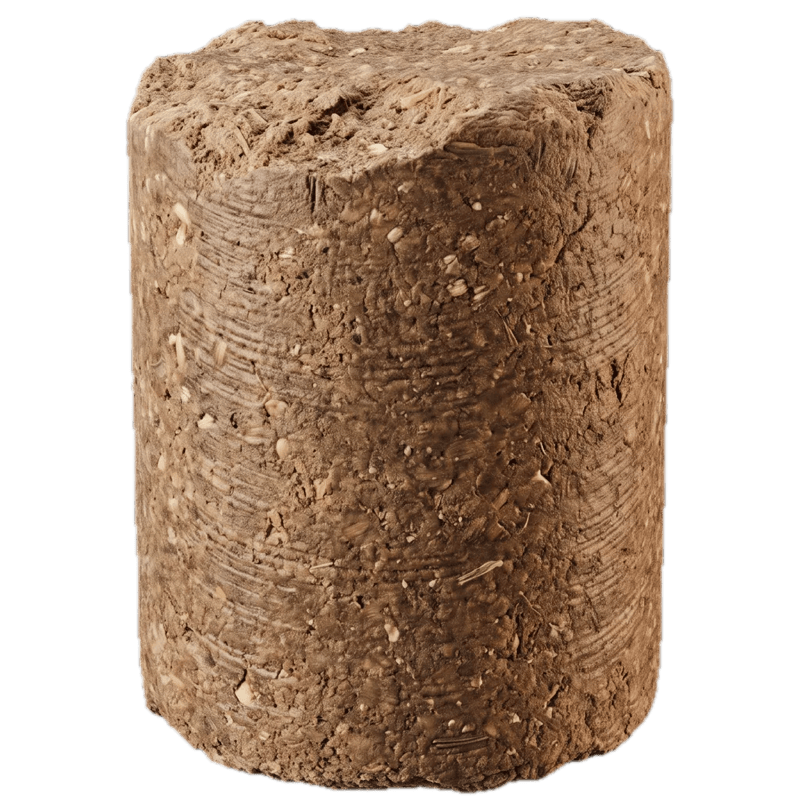
Protein pellets
The manufactured backbone where applicable: protein and minerals bound into one pellet so every bite carries the same balanced nutrition.
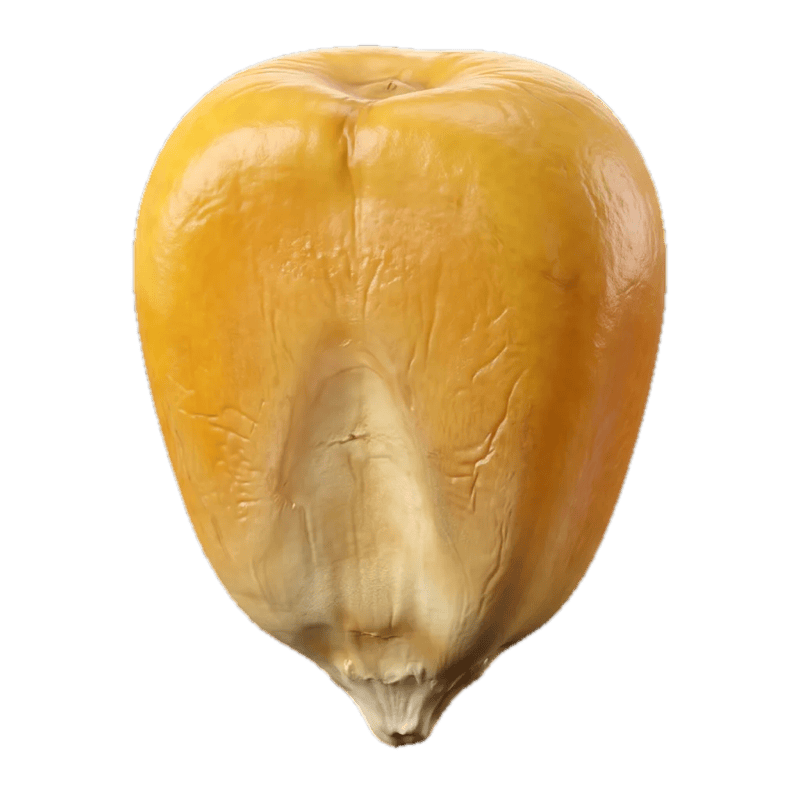
Corn
The energy base, last on purpose. Whole corn brings the carbohydrate heat deer burn first — and it earns its place under the blend, never as the headline.
Marketing order — the tag's ingredient statement governs. Product pages carry the tag-accurate list per blend.
Feed the season the herd is in.
Recovery
Bucks come out of the rut having burned deep into their reserves. High-fat energy feed rebuilds body condition before spring. Answer: Triple Grip.
Triple Grip SpringRebuild
Antler growth starts the day sheds drop, and does are carrying fawns. Protein and minerals do the heavy lifting. Answer: Grip Grower + Grip Grub.
Grip Grower SummerGrowth
Velvet on the bucks, milk on the does. The year's peak nutritional demand. Answer: Grip Grower with an active mineral site.
Grip Grower Fall · seasonAttraction
Patterns shift and energy needs climb toward the rut. Attraction that still feeds. Answer: Triple Grip.
Triple GripAlways check current state and local wildlife regulations before feeding, baiting, or placing attractants for deer.
Grip deer feed products
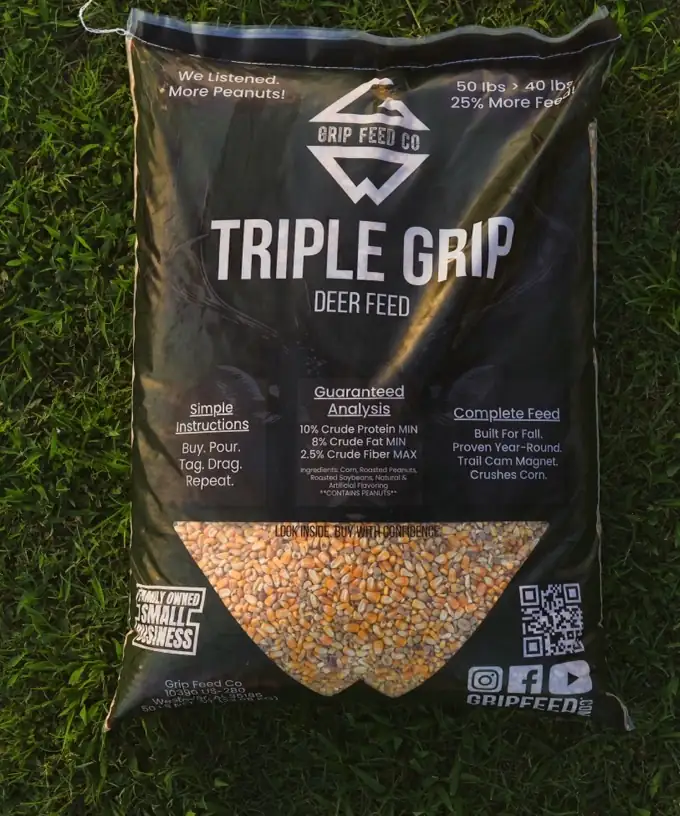
Triple Grip
Attract without compromising antler growth.
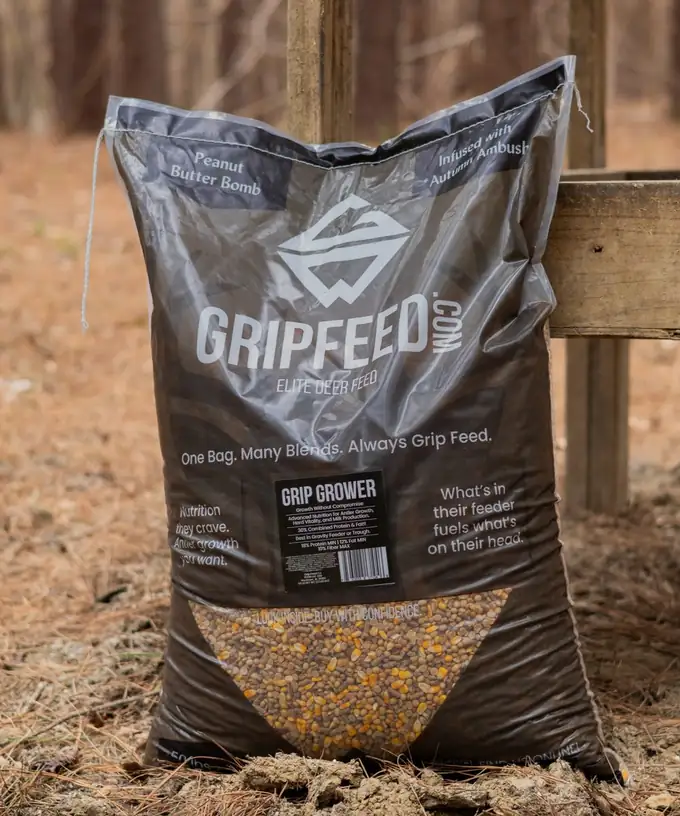
Grip Grower
Advanced nutrition for antler growth, herd vitality and milk production.
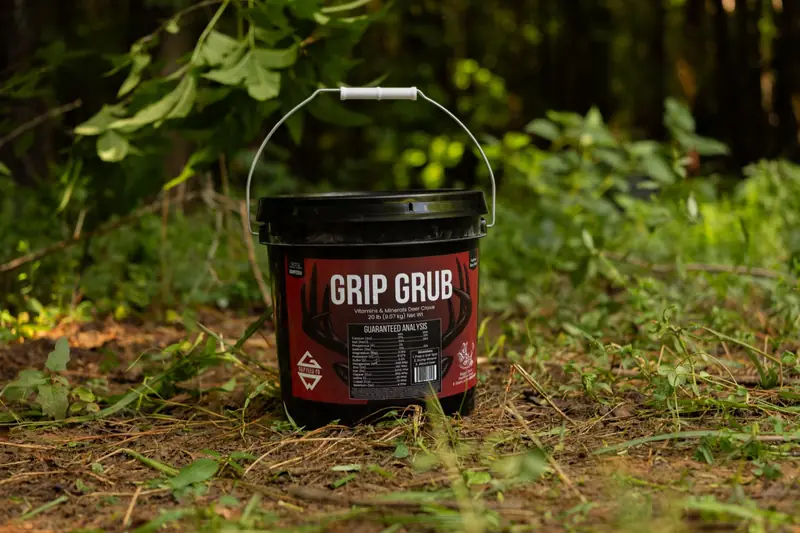
Grip Grub
Deer mineral attractant for year-round herd health and site activity. Vitamins and minerals the deer crave.
What is the best deer feed?
A blend, not a single ingredient. A serious feed pairs energy from corn with protein, fat, and minerals in a form deer can actually digest. Corn alone brings energy but little else; a fat-first blend with roasted soybeans and peanuts delivers more usable nutrition in every bite.
Is corn alone a good deer feed?
Corn is a strong energy source and a proven attractant, but it is low in protein and minerals. Corn alone is not a complete nutrition program. It works best as one part of a blend that also carries protein, fat, and minerals.
Why does fat matter in deer feed?
Fat carries about 2.25 times the energy density of protein or carbohydrates. A high-fat deer feed can deliver more usable energy per bite, which matters most in the pre-rut, the rut, and post-rut recovery when a buck's energy demand peaks.
When should I start feeding deer?
The strongest programs run year-round and shift by season: recovery feeding after the rut, minerals in spring, growth nutrition through summer, and attraction blends in the fall. Start when you can commit to consistency, and always check current state and local wildlife regulations before feeding, baiting, or placing attractants for deer.